Master Software Testing: Become the Guardian of Quality
Comprehensive Training in Manual, Automation, API, and Performance Testing
In the fast-paced world of software development, delivering a flawless user experience is not optional—it is essential. A single bug can ruin a reputation, while a slow application can drive users away. At Tulsi Academy, our Software Testing course is designed to mold you into a critical Quality Assurance (QA) professional. You will learn not just how to find defects, but how to prevent them, ensuring that software products are robust, reliable, and ready for the market.
Our curriculum bridges the gap between traditional testing methods and cutting-edge automation technologies. Whether you prefer the meticulous nature of manual testing or the efficiency of automation scripts, we provide the expertise you need to secure a high-demand career in the IT industry.
Manual testing is the foundation of quality assurance. It involves a tester executing test cases without the use of automation tools, relying on intuition and user experience to find bugs.
Fundamentals of Testing:
Understand the Software Development Life Cycle (SDLC) and Software Testing Life Cycle (STLC).
Learn the differences between Verification (Are we building the product right?) and Validation (Are we building the right product?).
Master the 7 Principles of Testing and the psychology of a tester.
Test Planning & Design:
Learn to write effective Test Cases and Test Scenarios based on requirement documents.
Create traceability matrices to ensure all requirements are covered.
Understand different testing techniques: Black Box, White Box, and Gray Box testing.
Execution & Defect Reporting:
Execute tests manually and log defects using industry-standard tools like JIRA or Bugzilla.
Master the Bug Life Cycle: from New and Assigned to Fixed, Verified, and Closed.
Perform different types of testing: Functional, Integration, System, User Acceptance (UAT), Regression, and Ad-hoc testing.
Automation Testing (Selenium)
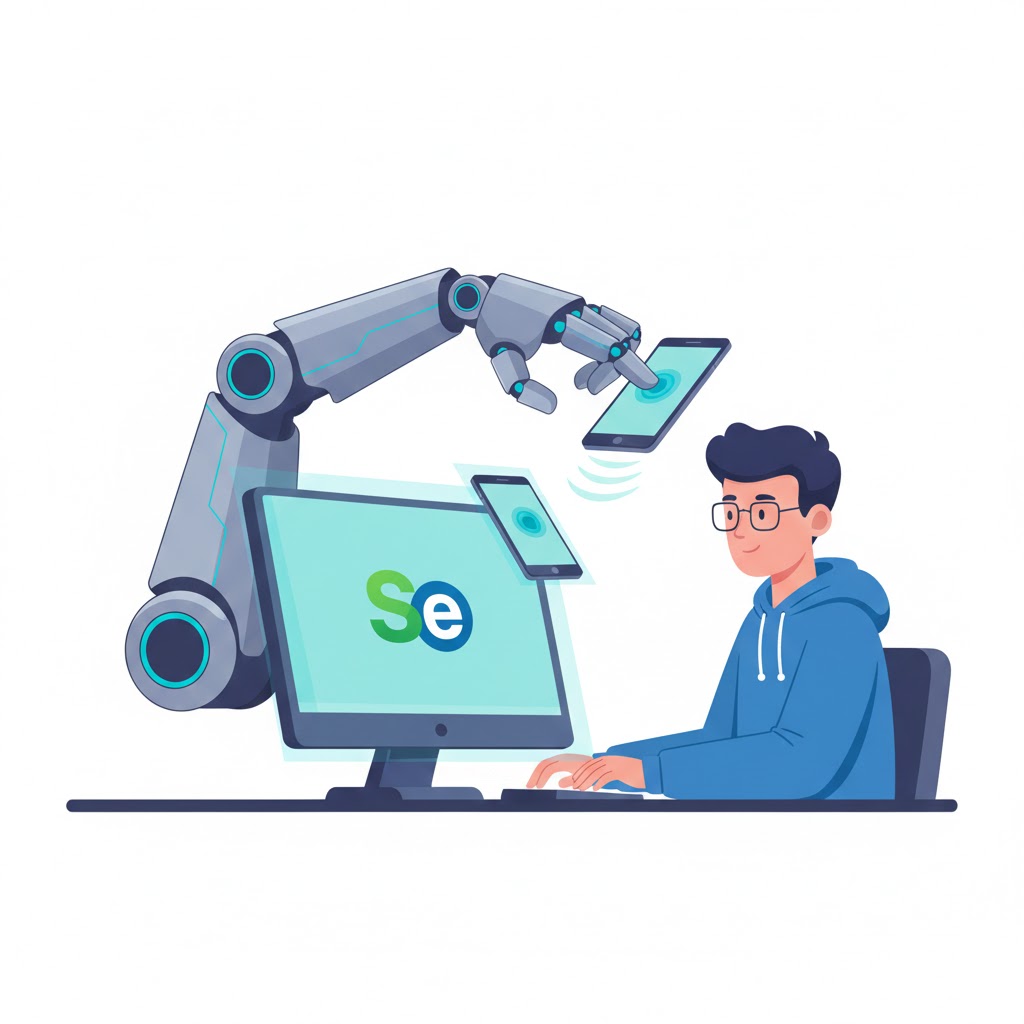
Automation testing uses specialized software to control the execution of tests and compare actual outcomes with predicted outcomes. Selenium is the industry standard for web application automation.
Introduction to Selenium:
Understand the Selenium Suite: IDE, WebDriver, Grid, and RC.
Set up the environment using IDEs like Eclipse or IntelliJ and language bindings (Java, Python, or C#).
Selenium WebDriver:
Master the use of WebDriver commands to interact with web elements (Buttons, Text Boxes, Dropdowns, Alerts).
Implement Locators (ID, Name, XPath, CSS Selector) to identify elements on a web page precisely.
Handle dynamic elements, multiple windows, frames (iFrames), and JavaScript pop-ups.
Frameworks & Advanced Concepts:
Build robust automation frameworks using TestNG or JUnit for grouping, prioritizing, and generating test reports.
Learn the Page Object Model (POM) design pattern to create maintainable and reusable code.
Implement Data-Driven Testing by integrating Selenium with Excel (Apache POI) or databases.
Perform Cross-Browser Testing using Selenium Grid to ensure compatibility across Chrome, Firefox, Edge, and Safari.
API Testing
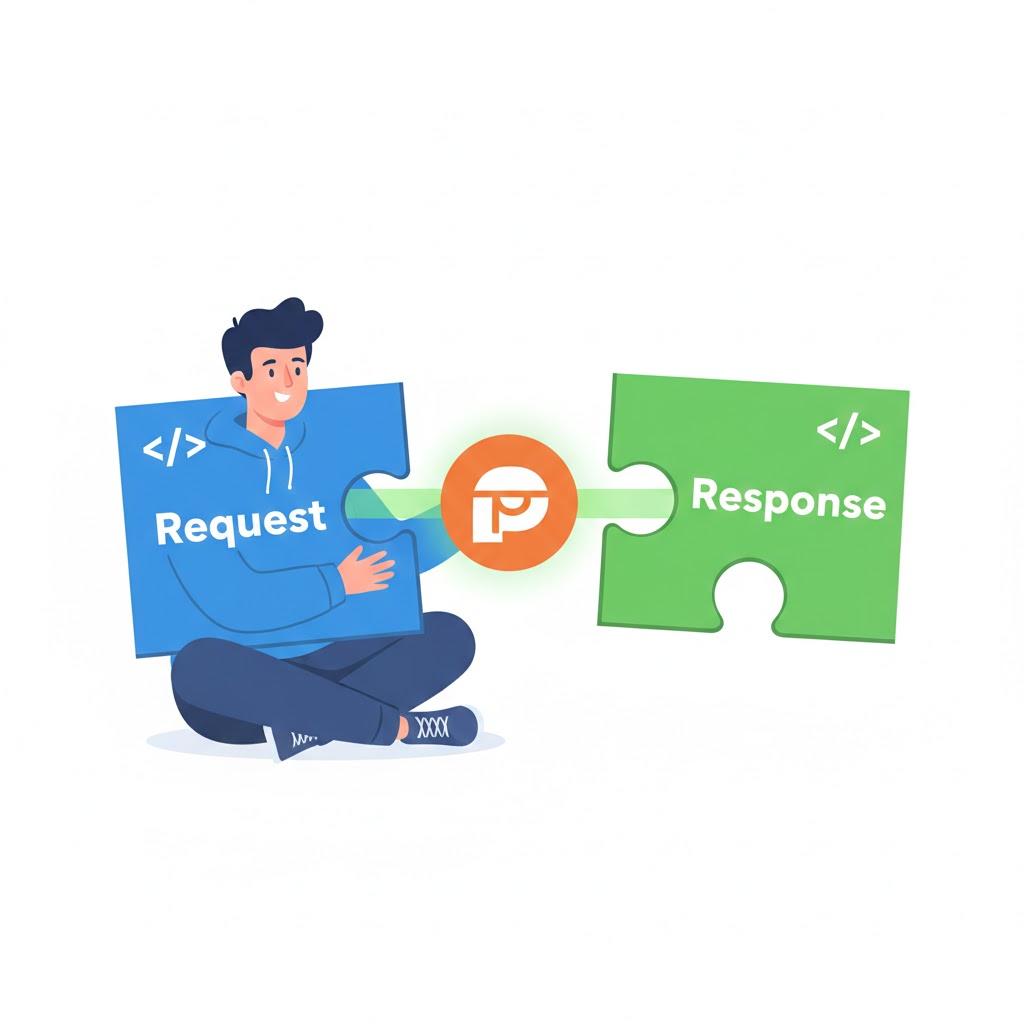
API (Application Programming Interface) testing focuses on testing the business logic and data exchange between the server and the client, bypassing the user interface entirely.
Understanding APIs:
Grasp the concepts of REST (Representational State Transfer) and SOAP APIs.
Learn about HTTP methods: GET, POST, PUT, PATCH, and DELETE.
Understand status codes (200 OK, 404 Not Found, 500 Server Error) and headers.
Tools & Techniques:
Master Postman, the leading tool for API testing, to send requests and inspect responses.
Learn to write automated test scripts in Postman using JavaScript (Chai assertion library).
Use Newman to run Postman collections via the command line for Continuous Integration (CI).
Validation & Security:
Validate JSON and XML response structures to ensure data integrity.
Perform Schema Validation to ensure the API contract is not broken.
Learn basic API Security Testing concepts like Authentication (Basic Auth, OAuth2.0, API Keys) and Authorization.
Performance Testing (JMeter)
Performance testing ensures that a software application performs well under expected workloads. It is crucial for identifying bottlenecks before they affect real users.
Introduction to Performance Testing:
Understand the different types: Load Testing (normal load), Stress Testing (breaking point), Spike Testing (sudden load), and Endurance Testing (sustained load).
Learn key metrics: Response Time, Throughput, Hits per Second, and Error Rate.
Apache JMeter Mastery:
Design complex Test Plans using JMeter’s Thread Groups, Samplers, and Listeners.
Simulate real-world user behavior using CSV Data Set Config for parameterization.
Implement Correlation to handle dynamic session IDs and cookies.
Use Assertions to validate that the server response is correct under load.
Analysis & Reporting:
Generate and analyze HTML Dashboard Reports and Graph Results.
Identify performance bottlenecks such as slow database queries, network latency, or memory leaks.
Learn Basics of Network Profiling to understand how the application behaves under stress.
Why Choose Tulsi Academy for Software Testing?
End-to-End Expertise: We cover the complete testing spectrum, from writing your first manual test case to automating complex workflows and stress-testing servers.
Tool Proficiency: Gain hands-on experience with the tools that companies actually use: JIRA, Selenium, Postman, and JMeter.
Live Projects: Work on real-world application scenarios (e.g., an E-commerce site) to practice finding critical bugs and automating repetitive tasks.
Placement Support: Get trained in mock interviews, resume building, and soft skills specific to the QA domain.
Ensure quality, accelerate development, and build a stable career. Join Tulsi Academy today.