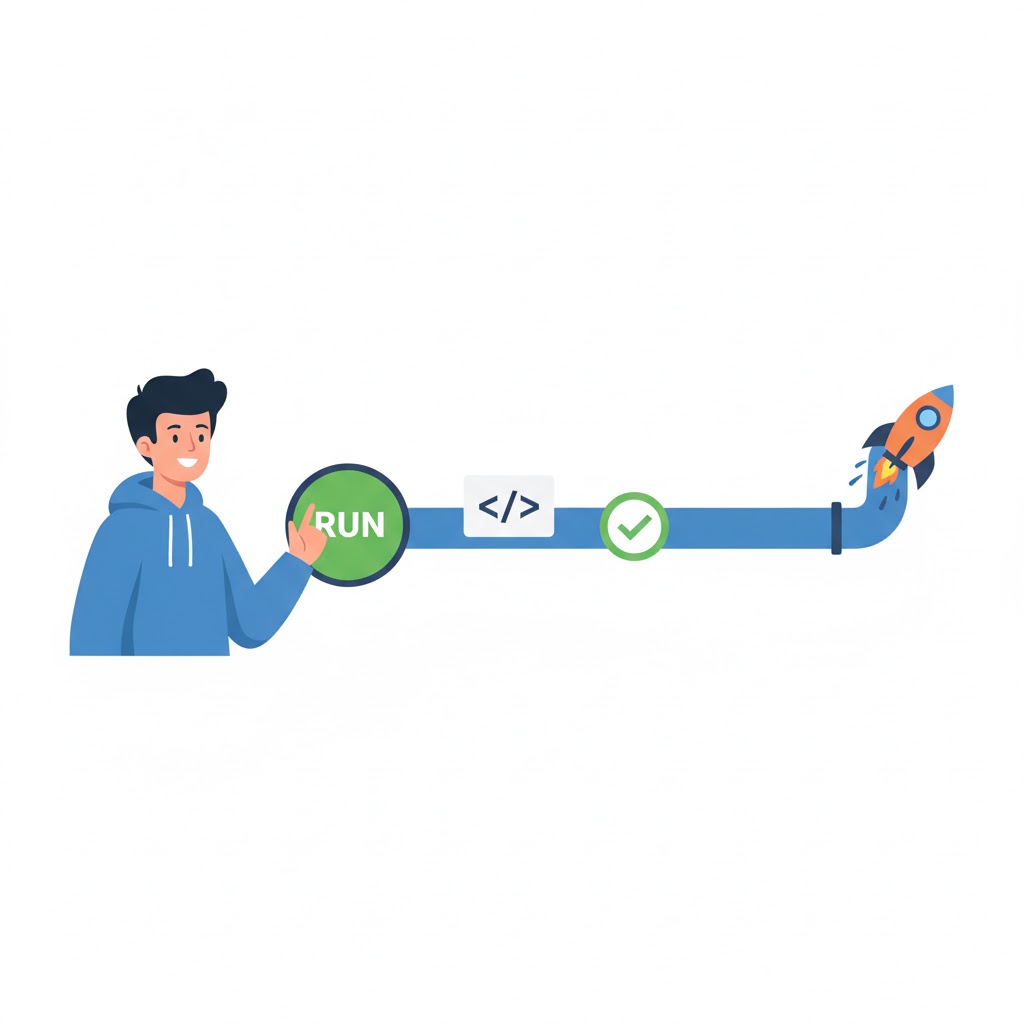
Master DevOps: Bridging Development and Operations

Comprehensive Training in Git, Docker, Kubernetes, and CI/CD Pipelines

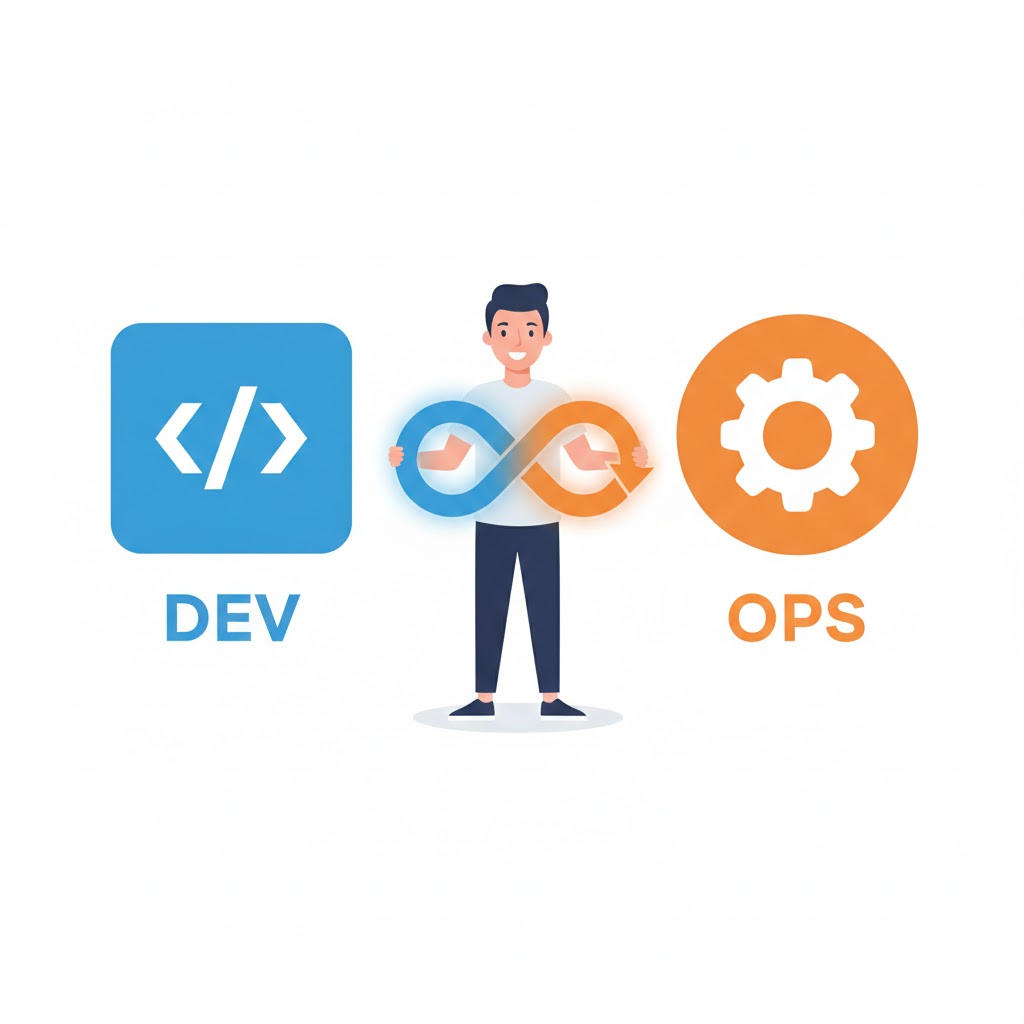
In the race to release software faster without breaking things, DevOps has emerged as the gold standard. It is not just a set of tools; it is a culture that unifies software development (Dev) and software operation (Ops). At Tulsi Academy, our DevOps curriculum is designed to break down silos and teach you how to automate the entire software lifecycle, from code integration to deployment.

Whether you want to master version control, learn to containerize applications, or build automated pipelines that deploy code in seconds, this course provides the skills needed to become a modern DevOps Engineer.

DevOps Fundamentals

This module introduces the philosophy, workflow, and benefits of DevOps, setting the stage for the technical tools to follow.

  • Understanding the DevOps Culture:
    • Learn the core principle of breaking down barriers between Development, QA, and Operations teams.
    • Understand the shift from traditional “Waterfall” models to agile “Continuous” methodologies.
  • The DevOps Lifecycle:
    • Master the “Infinite Loop” of DevOps: Plan, Code, Build, Test, Release, Deploy, Operate, Monitor.
    • Learn how feedback loops between operations and development improve software quality.
  • Key Benefits & Metrics:
    • Explore benefits: Faster Time-to-Market, improved collaboration, and increased deployment frequency.
    • Learn to measure success using DORA metrics (Deployment Frequency, Lead Time for Changes, MTTR).

Git & GitHub

Git is the world’s most popular distributed version control system, and GitHub is the platform that hosts it. This module is essential for managing code changes and collaborating in teams.

  • Version Control Fundamentals:
    • Understand the difference between Local (Git) and Remote (GitHub) repositories.
    • Master core commands: git init, git clone, git add, git commit, and git push.
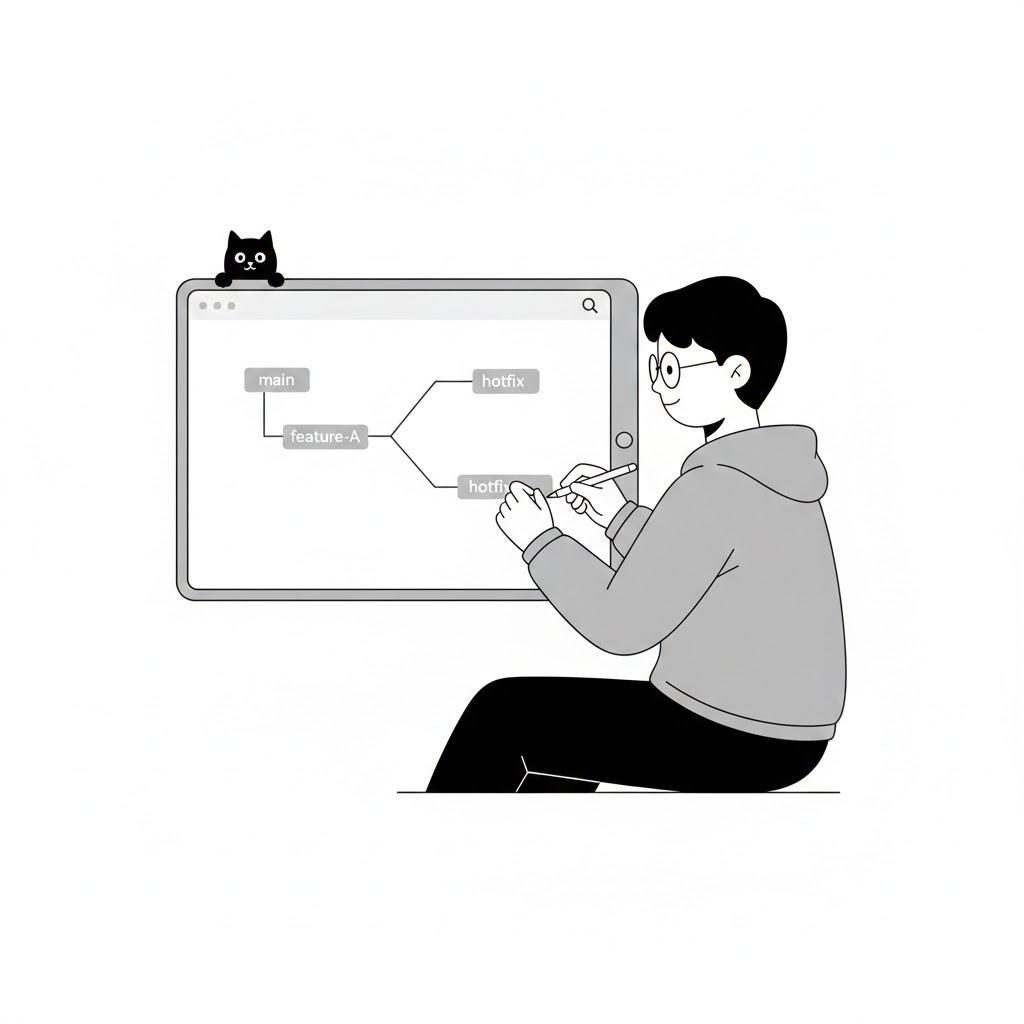
  • Branching & Merging:
    • Create and manage branches (git branch, git checkout) to work on features in isolation.
    • Learn to merge branches using Pull Requests (PRs) and handle Merge Conflicts.
  • Collaboration & Workflow:
    • Implement workflow strategies like GitFlow or Trunk-Based Development.
    • Use Forks and Clones to contribute to open-source projects or manage team collaborations.
    • Explore GitHub Issues and Project Boards for task tracking.

Docker & Kubernetes

Containerization is the backbone of modern cloud-native applications. This module teaches you to package software so it runs reliably anywhere.

  • Docker & Containerization:
    • Understand the difference between Virtual Machines (VMs) and Containers.
    • Learn to write a Dockerfile to build custom images.
    • Manage containers using commands: docker run, docker ps, docker-compose.
    • Build a private Docker Registry to store images.
  • Kubernetes (K8s) Orchestration:
    • Grasp the architecture of Kubernetes: Master Node, Worker Node, Pod, and Service.
    • Deploy and scale applications using Kubernetes Deployments.
    • Learn Service Discovery and Load Balancing to manage network traffic.
    • Understand Self-Healing: How K8s automatically restarts failed containers.
 

CI/CD Pipeline (Continuous Integration/Deployment)

Automate the release process. This module teaches you to build pipelines that test and deploy code automatically whenever a change is made.

  • Continuous Integration (CI):
    • Learn to build code automatically whenever a developer commits a change.
    • Integrate automated testing (Unit, Integration) into the build process to catch bugs early.
  • Continuous Deployment (CD):
    • Automate the release of validated code to staging or production environments.
    • Implement Infrastructure as Code (IaC) principles to provision servers automatically.
  • Pipeline Tools:
    • Gain hands-on experience with Jenkins, GitLab CI/CD, or GitHub Actions.
    • Build a “Pipeline as Code” that pulls code from Git, builds a Docker image, and deploys to a server with zero downtime.

Why Choose Tulsi Academy for DevOps?

  • Live Environment Labs: Get your hands dirty on Linux servers, configuring real Docker containers and Kubernetes clusters.
  • Industry Standard Tools: We teach the tools that tech giants use: Git, Docker, Kubernetes, Jenkins, Ansible, and Terraform.
  • Real-Time Projects: Automate the deployment of a live web application during the course to build a portfolio-ready project.
  • Career Transition Support: Perfect for Developers or System Admins looking to upgrade their skills and salary.

Bridge the gap between coding and operations. Join Tulsi Academy today.