
Master Mobile App Development: Code the Future in Your Hands

Build Native and Cross-Platform Applications for iOS and Android

The world has gone mobile. From ordering food to managing finances, mobile applications are the primary interface through which we interact with the digital world. At Tulsi Academy, our Mobile App Development course is designed to transform you into a versatile developer capable of building high-performance, engaging apps for billions of users worldwide.

Whether you want to specialize in the native ecosystems of Android or iOS, or leverage the power of cross-platform frameworks to write code once and deploy everywhere, our curriculum covers the most in-demand technologies in the industry today.

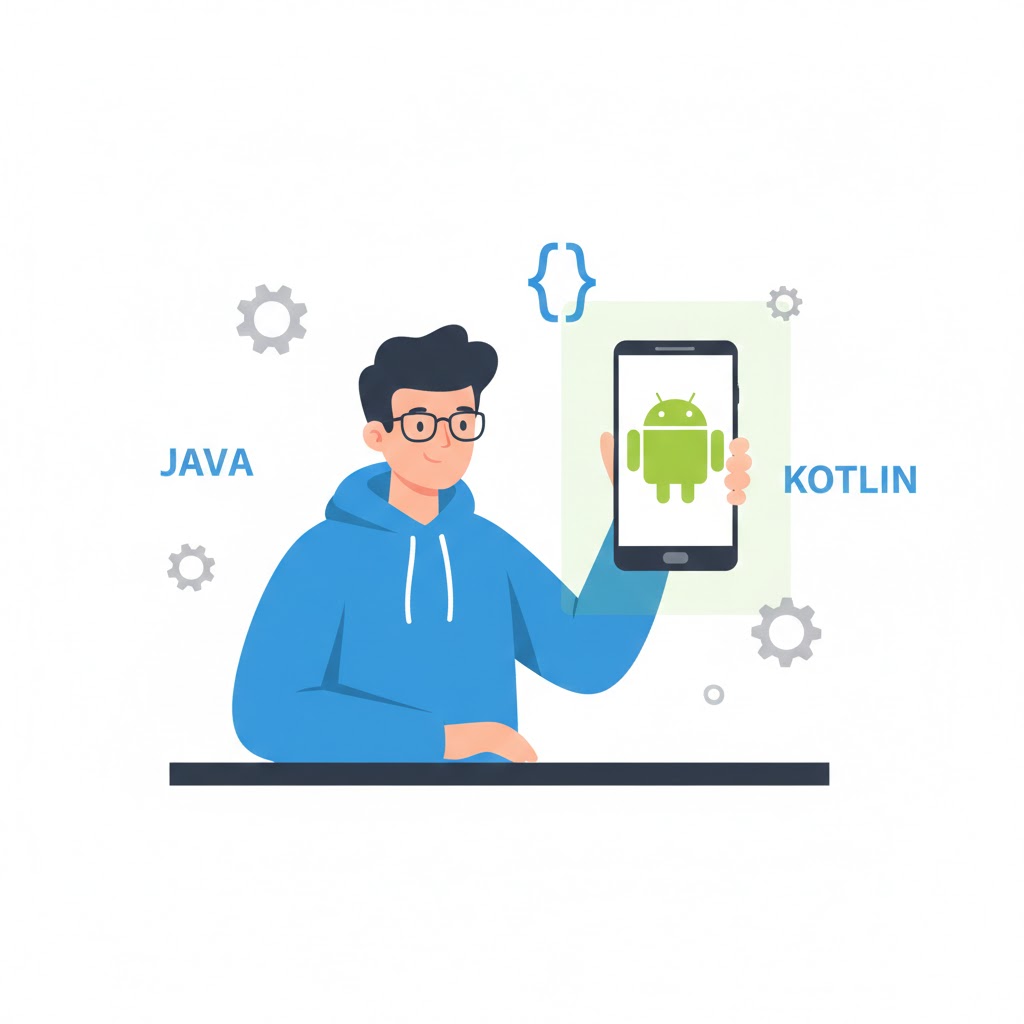
Android App Development (Java / Kotlin)

Android holds the largest global market share in the mobile operating system space. This module trains you to build robust applications for this vast ecosystem using the industry-standard languages: Java and Kotlin. 

  • Mastering the Android Ecosystem:
    • Set up the professional development environment using Android Studio.
    • Understand the Android Application Lifecycle and how to manage system resources effectively.
    • Learn to design intuitive layouts using XML and the ConstraintLayout.
  • Java & Kotlin Proficiency:
    • Java: Learn object-oriented programming concepts specifically applied to Android, including classes, inheritance, and interfaces.
    • Kotlin: Master the modern, concise language preferred by Google. Learn Kotlin-specific features like Null Safety, Extension Functions, and Data Classes to write safer, cleaner code with fewer bugs.
  • Advanced Android Features:
    • Implement Activities and Fragments to build multi-screen navigation.
    • Work with RecyclerViews to display large datasets efficiently.
    • Integrate device hardware such as the Camera, GPS, and Sensors.
    • Learn to persist data locally using SharedPreferences and SQLite Database.
    • Understand the process of signing, building, and publishing apps on the Google Play Store.

iOS App Development (Swift – Basics)

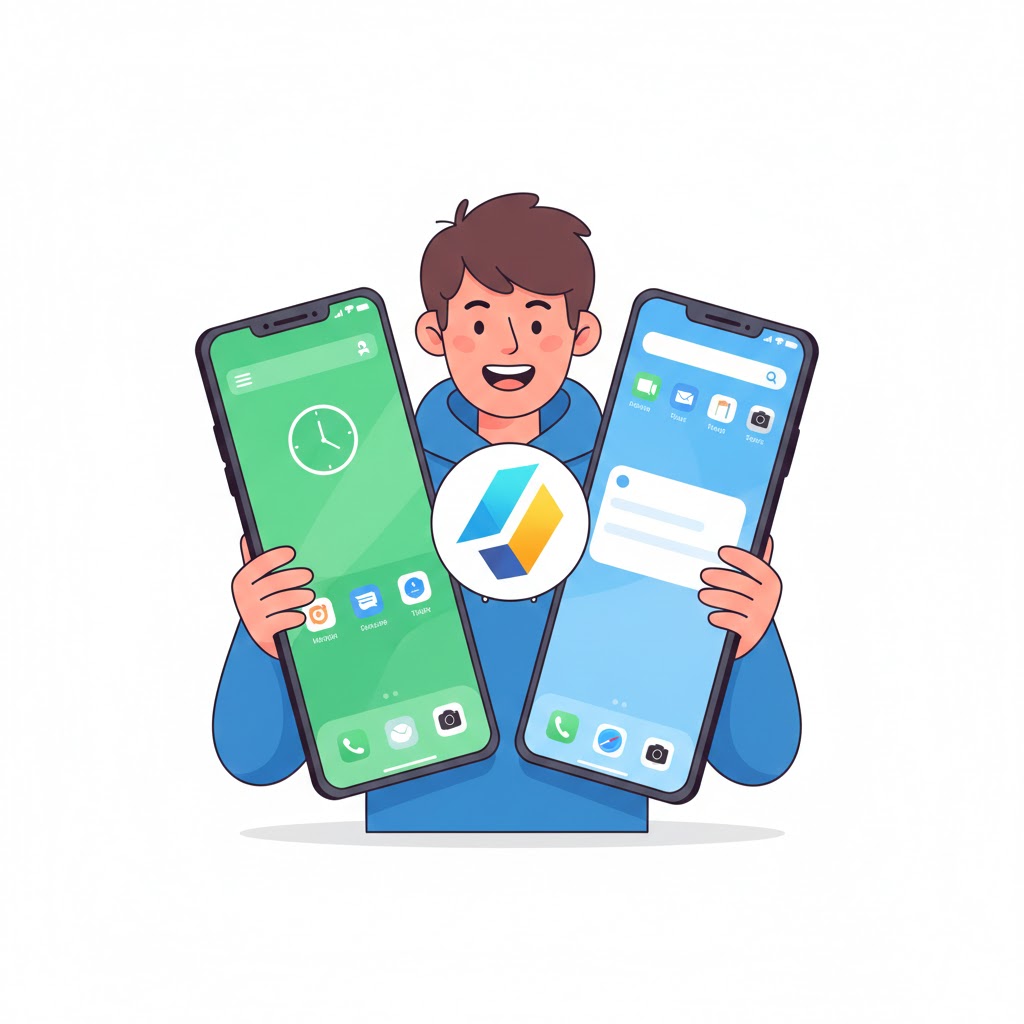
Enter the premium world of Apple. This module introduces you to the Swift programming language and the iOS ecosystem, focusing on the principles required to build apps for iPhones and iPads. 
  • Swift Programming Fundamentals:
    • Learn Swift, Apple’s powerful and intuitive programming language that is safe by design.
    • Master Swift syntax, including Variables, Constants, Optionals, and Control Flow.
    • Understand Optionals and type safety to prevent runtime crashes, a critical feature of iOS development.
  • Xcode & Interface Design:
    • Navigate Xcode, Apple’s integrated development environment (IDE), to write, compile, and debug code.
    • Design user interfaces using Storyboards and programmatic Auto Layout to ensure apps look perfect on all iPhone screen sizes.
    • Learn SwiftUI Basics, the modern framework for building user interfaces across all Apple platforms with declarative syntax.
  • Core iOS Concepts:
    • Implement UIKit components such as Buttons, Labels, and Table Views.
    • Handle user interactions using Delegates and Closures.
    • Understand the Model-View-Controller (MVC) design pattern, the architectural backbone of iOS apps.
    • Learn to navigate between screens using Navigation Controllers and Tab Bar Controllers.
    • Simulate and test apps on the iOS Simulator and prepare for deployment to the App Store.
 

Flutter App Development

Flutter, developed by Google, has revolutionized mobile development by allowing developers to build natively compiled applications for mobile, web, and desktop from a single codebase. 
  • Dart Programming Language:
    • Learn Dart, the client-optimized language behind Flutter.
    • Understand Dart fundamentals such as libraries, async-await, and streams.
  • Widget-Based Architecture:
    • Grasp the core concept that “Everything is a Widget” in Flutter.
    • Learn to compose complex UIs using StatelessWidget (static content) and StatefulWidget (dynamic content).
    • Master the use of Material Design (Android style) and Cupertino (iOS style) widgets to create platform-specific looks.
  • State Management & Networking:
    • Implement state management solutions like Provider or Riverpod to handle data flow across the app efficiently.
    • Use Dio and HTTP packages to fetch data from REST APIs and parse JSON data.
    • Experience the power of Hot Reload and Hot Restart, which allow you to see changes in the code instantly on the emulator or physical device without losing the app state.
  • Cross-Platform Deployment:
    • Build a single codebase that runs flawlessly on both Android and iOS devices, saving development time and resources.

React Native App Development

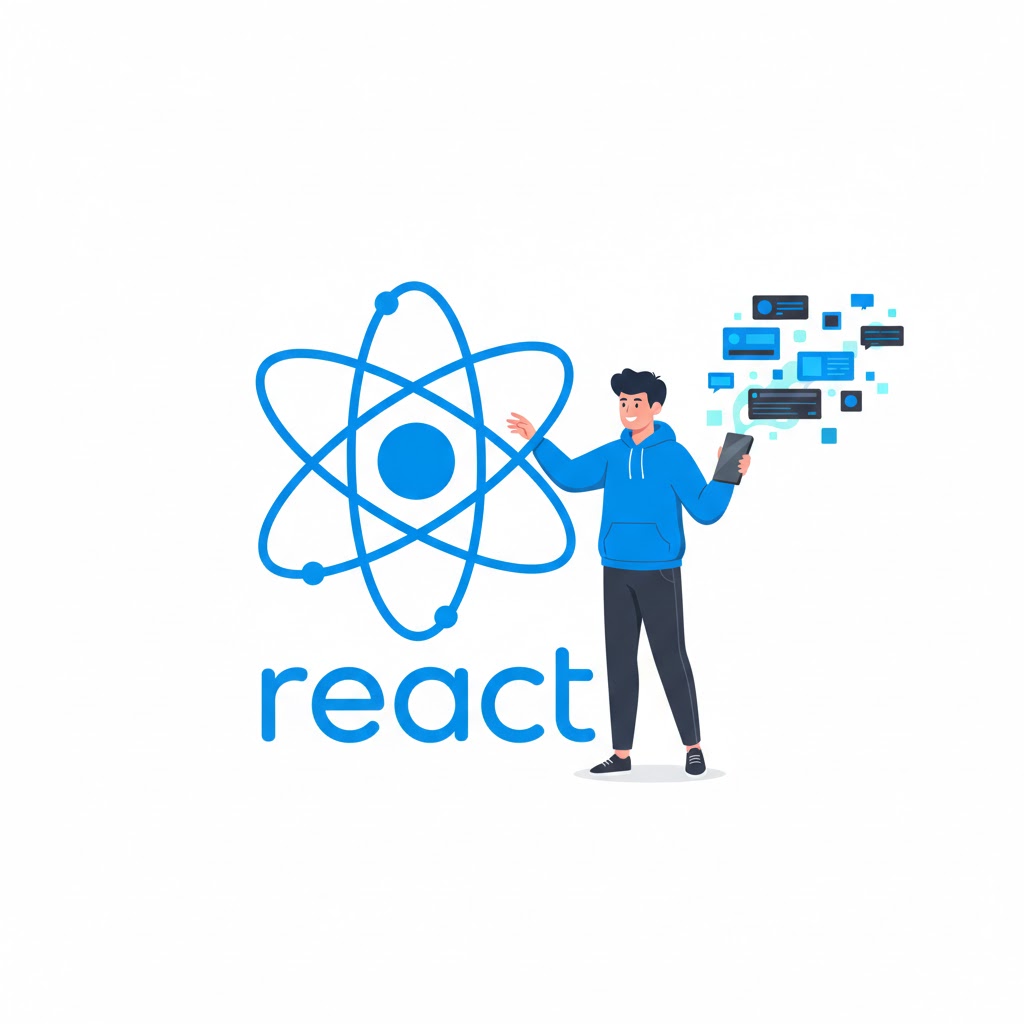
React Native, created by Meta (Facebook), allows you to build native mobile apps using JavaScript and React. It bridges the gap between web development and mobile development. 

  • JavaScript & React Concepts:
    • Apply your knowledge of JavaScript (ES6+) and React principles (Components, Props, State, Hooks) to mobile development.
    • Use functional components and Hooks like useState and useEffect to manage app logic and side effects.
  • Native Components & APIs:
    • Access native mobile features using built-in React Native components like <View>, <Text>, <Image>, and <ScrollView>.

    • Implement core mobile UI patterns such as FlatLists (for scrollable lists) and Stack Navigation (for moving between screens).
    • Utilize Expo, a framework built on top of React Native, to quickly prototype, build, and deploy apps without complex native configuration.
  • Integration & Styling:
    • Style applications using a JavaScript-based styling system similar to CSS (Flexbox), ensuring responsive layouts.
    • Learn to bridge native modules when you need access to specific platform APIs not covered by the core library.
    • Publish your apps to both the Google Play Store and Apple App Store from a single JavaScript codebase.

Why Choose Tulsi Academy for Mobile Development?

  • Cross-Platform Versatility: Master both Native (Java/Kotlin/Swift) and Cross-Platform (Flutter/React Native) approaches to become a highly marketable developer.
  • Real-World Projects: Build portfolio-worthy apps that solve actual problems, such as a To-Do list app, an E-commerce app interface, or a Weather forecasting app.
  • Industry Expert Guidance: Learn from mentors who have deployed apps to the App Store and Play Store and understand the submission guidelines and monetization strategies.
  • Hands-on Emulators: Gain practical experience working with Android Emulators, iOS Simulators, and real devices to test performance and user experience.

Start your journey into the pockets of billions. Enroll in our Mobile App Development course today.